


Most people walk away from a crash thinking it's just their word against the other driver's. But Houston doesn't work that way anymore. Cameras are everywhere — mounted on poles, bolted to storefronts, tucked under gas station awnings. And if you don't know how to use that footage, you're handing over leverage you can't afford to lose. Video evidence isn't about luck. It's about knowing where to look and moving fast before that footage gets erased or buried.
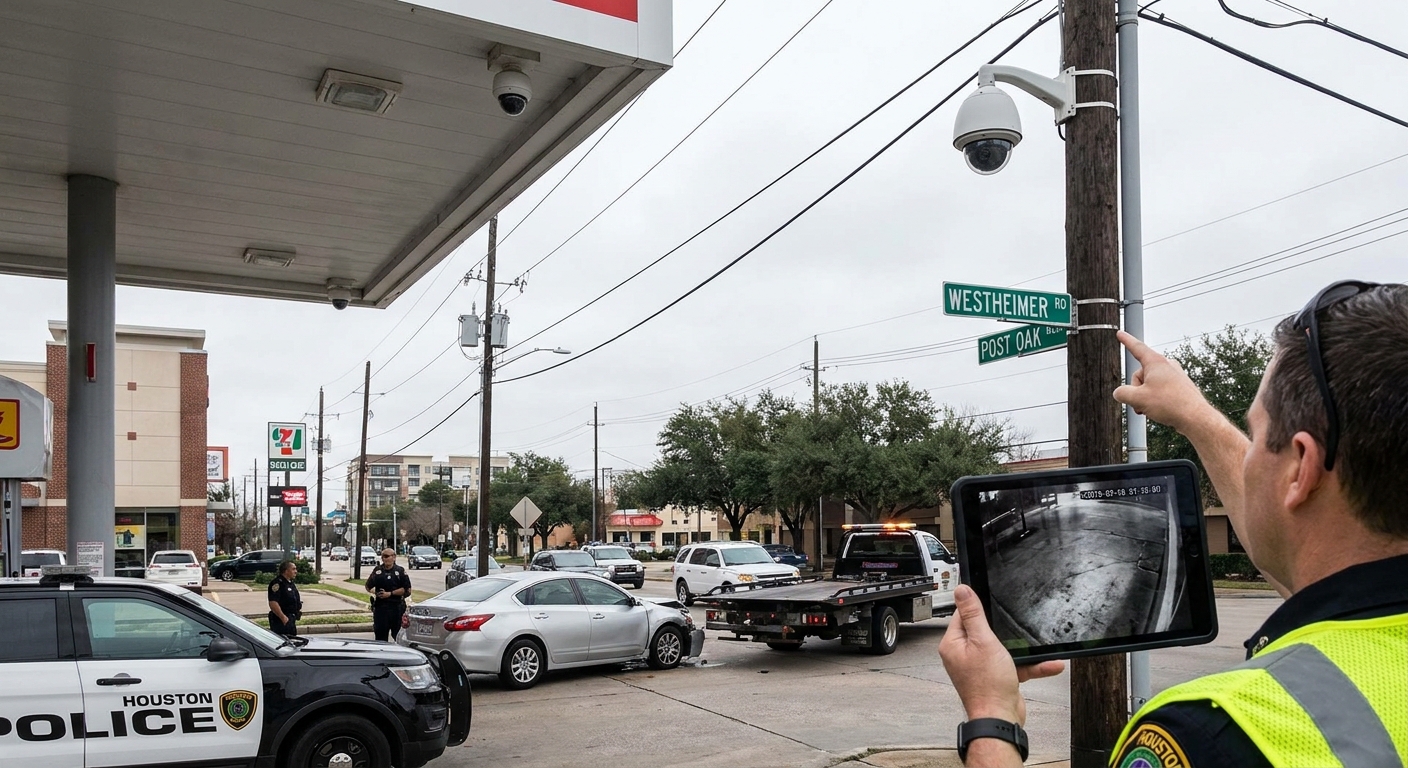
So here's the reality. If metal met metal and nobody's sure who caused it, those cameras might be the only thing standing between you and a denial letter from an insurance adjuster. But they won't help if you wait three weeks to ask for them. Every frame matters. Every angle counts. And every second you delay is another chance the evidence disappears.
Why Footage Beats Testimony Every Time
Human memory is messy. People forget. They panic. They see what they want to see. A driver swears they had the green light — until a camera proves otherwise. Witnesses offer conflicting versions of the same moment. And when that happens, the insurance company doesn't just split the difference. They deny the claim or drag it out until you give up.
Surveillance footage doesn't argue. It doesn't misremember. It shows what happened, frame by frame, with no emotion and no agenda. That's why investigators pull it first. That's why attorneys demand it early. And that's why you should treat it like the most important piece of evidence in your case — because it usually is.
Where Houston Hides Its Cameras
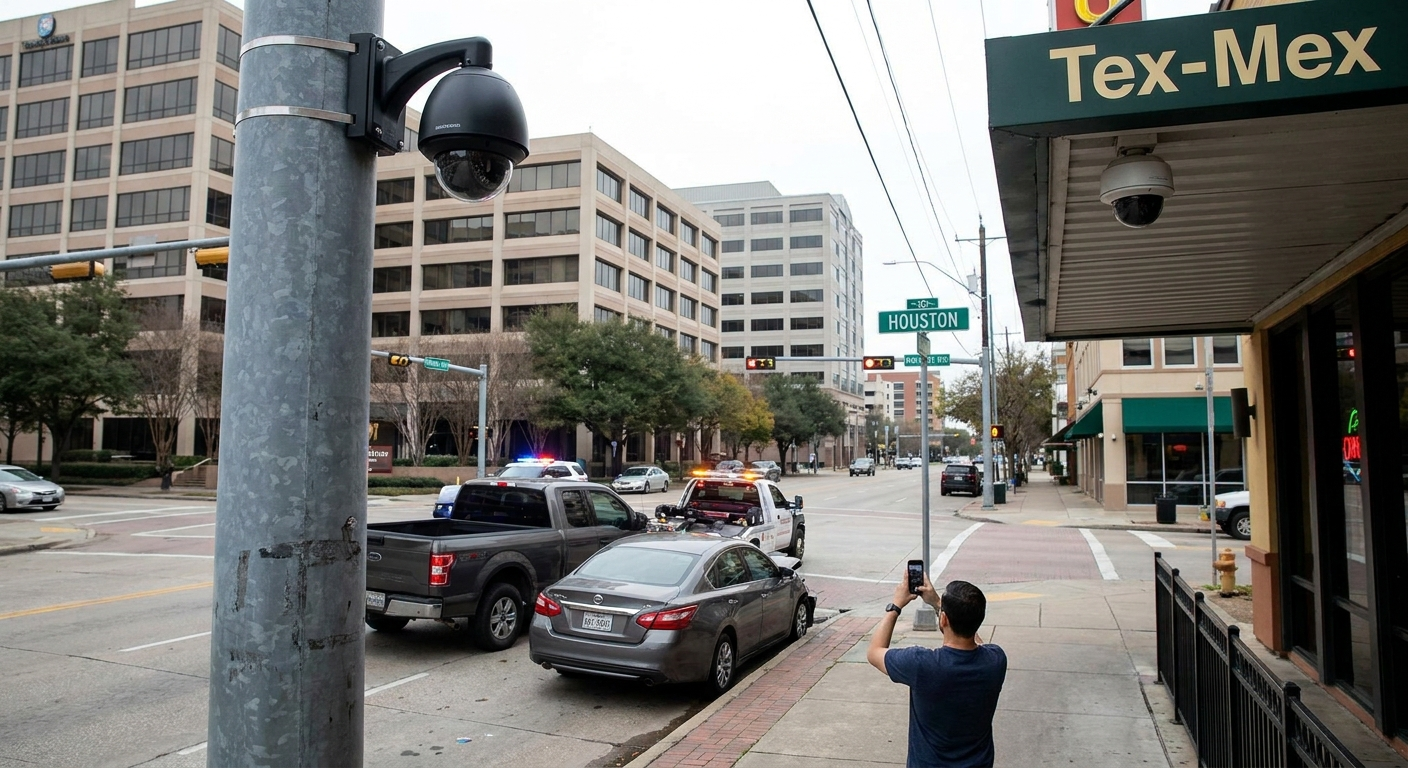
You'd be surprised how much of this city is being recorded at any given moment. Traffic lights at major intersections often have cameras that capture lanes from multiple directions. Gas stations, convenience stores, and shopping centers run 24/7 security feeds that cover parking lots and adjacent streets.
Even residential doorbell cameras can catch crashes that happen near driveways or along neighborhood roads. Here's what to scan for right after an accident:
- Traffic signal poles with mounted hardware
- Business storefronts with visible security cameras
- Gas stations and ATMs with external surveillance
- Apartment complexes or office buildings near the crash site
- Private homes with doorbell or driveway cameras
When the Clock Starts Ticking Against You
Most surveillance systems overwrite footage within 7 to 30 days. Some do it faster. If you wait too long, that video is gone — permanently. We've seen cases fall apart because someone thought they'd "circle back" to request footage later. By then, the drive had been wiped clean and the evidence vanished.
The moment you leave the scene, start identifying camera locations. Take photos. Write down business names. If you're too shaken to handle it yourself, have someone else do it. Just don't let days pass without taking action. Once that footage is gone, no amount of legal firepower will bring it back.
What Good Footage Actually Shows
Clear video can answer the questions that make or break a claim. Did the other driver run a red light? Were they speeding? Did they swerve into your lane without signaling? Was there a pedestrian in the crosswalk that nobody mentioned? Cameras capture all of it.
Here's what makes footage valuable in a Houston accident case:
- Vehicle positions before, during, and after impact
- Traffic signal status at the time of the crash
- Speed and lane changes leading up to contact
- Actions of other drivers or pedestrians nearby
- License plates if the other party fled the scene
How to Actually Get the Footage
You can't just walk into a business and demand their security tapes. But you can ask — politely and urgently. Most business owners will cooperate if you explain the situation and make it easy for them. Bring a thumb drive. Offer to sign a release. Be respectful and clear about what you need.
If the owner hesitates or refuses, don't push too hard. That's when an attorney steps in. They can send formal preservation letters that put businesses on legal notice. And if necessary, they can subpoena the footage through the court system. But that takes time, which is why you start the process immediately.
What Trips People Up
We see the same mistakes over and over. Accident victims assume the police will handle everything — they won't. Officers may request footage for their report, but they're not your personal investigator. You need to follow up independently.
Some people think insurance companies will track down cameras for them. Wrong again. Adjusters work for the insurer, not for you. If they find footage that hurts your claim, they'll use it. If they don't find it at all, they won't lose sleep.
Others wait until they've already given a recorded statement or filed paperwork before securing video. By then, the other side may have already requested it first — and you've lost control of the narrative.
Common missteps that cost cases:
- Waiting for the police or insurance company to handle it
- Assuming footage will still be there weeks later
- Failing to document camera locations at the scene
- Not following up with businesses quickly enough
- Giving statements before knowing what the video shows
When Privacy Laws Get in the Way
Texas law allows recording in public spaces, which covers most accident scenes. But private property owners control their own footage, and they're not required to hand it over without a legal reason. That's why timing and tone matter when you make your request.
If a camera captured something from inside a private building or a space where people expect privacy, that footage might not be usable in court. But most accident footage comes from external cameras pointed at streets, lots, or sidewalks — and that's fair game.
What Happens When Footage Contradicts Your Story
Sometimes the video doesn't show what you expected. Maybe your memory was off. Maybe the angle doesn't capture the detail you need. Or maybe it actually contradicts your version of events. That's uncomfortable, but it's better to know early.
If footage works against you, an experienced attorney can help contextualize it or find other evidence that tells the full story. But if you ignore it or try to bury it, the other side will find it eventually — and you'll lose credibility when it surfaces later.
Insurance Companies Love It Until They Don't
Adjusters love surveillance footage when it clears up liability fast. It saves them time and closes files. But if the video proves their insured was at fault, suddenly they're looking for reasons to downplay it. Poor lighting. Bad angle. Inconclusive timeline. They'll twist anything they can.
That's why you don't just hand over footage and hope for the best. You use it strategically, backed by expert analysis if needed. Video is powerful, but only if you know how to frame it in your favor.
Who Should Handle This for You
If your auto accident involved serious injuries, disputed fault, or a hit-and-run, bring in someone who knows how to lock down evidence fast. Personal injury attorneys have relationships with investigators, access to subpoena tools, and experience dealing with uncooperative businesses.
Here's what a good attorney does with surveillance footage:
- Identifies all potential camera sources within hours
- Sends preservation letters before footage gets erased
- Subpoenas footage when voluntary requests fail
- Analyzes video with accident reconstruction experts
- Presents it effectively in negotiations or court
Move Fast or Lose It Forever
Surveillance cameras only help if you treat them like the ticking clock they are. Every day you wait is another chance that footage gets overwritten, lost, or conveniently unavailable. The best evidence in Houston disappears quietly while people sit around hoping someone else will handle it.
Don't let that be you. If you were in an accident and there's even a chance a camera caught it, act now. Document what you saw. Request what you need. And if you're not sure how to move forward, talk to someone who's done this a thousand times. Because once that footage is gone, it's not coming back — and neither is your best shot at proving what really happened.
Let’s Secure the Evidence You Need
When it comes to protecting your rights after a Houston accident, we know how critical it is to move quickly and secure every piece of evidence. Let’s work together to make sure no crucial footage slips away and your side of the story is backed by facts. If you’re ready to take action, call us at 832-519-0054 or schedule an appointment so we can help you get started right away.