


Most people assume fault is all or nothing. Either you caused the crash or you didn't. But Texas doesn't work that way. The law recognizes that blame gets split in real life—and that means you might still collect compensation even when you made a mistake. Just because you share responsibility doesn't mean the door slams shut. It changes the math, but it doesn't kill the claim.
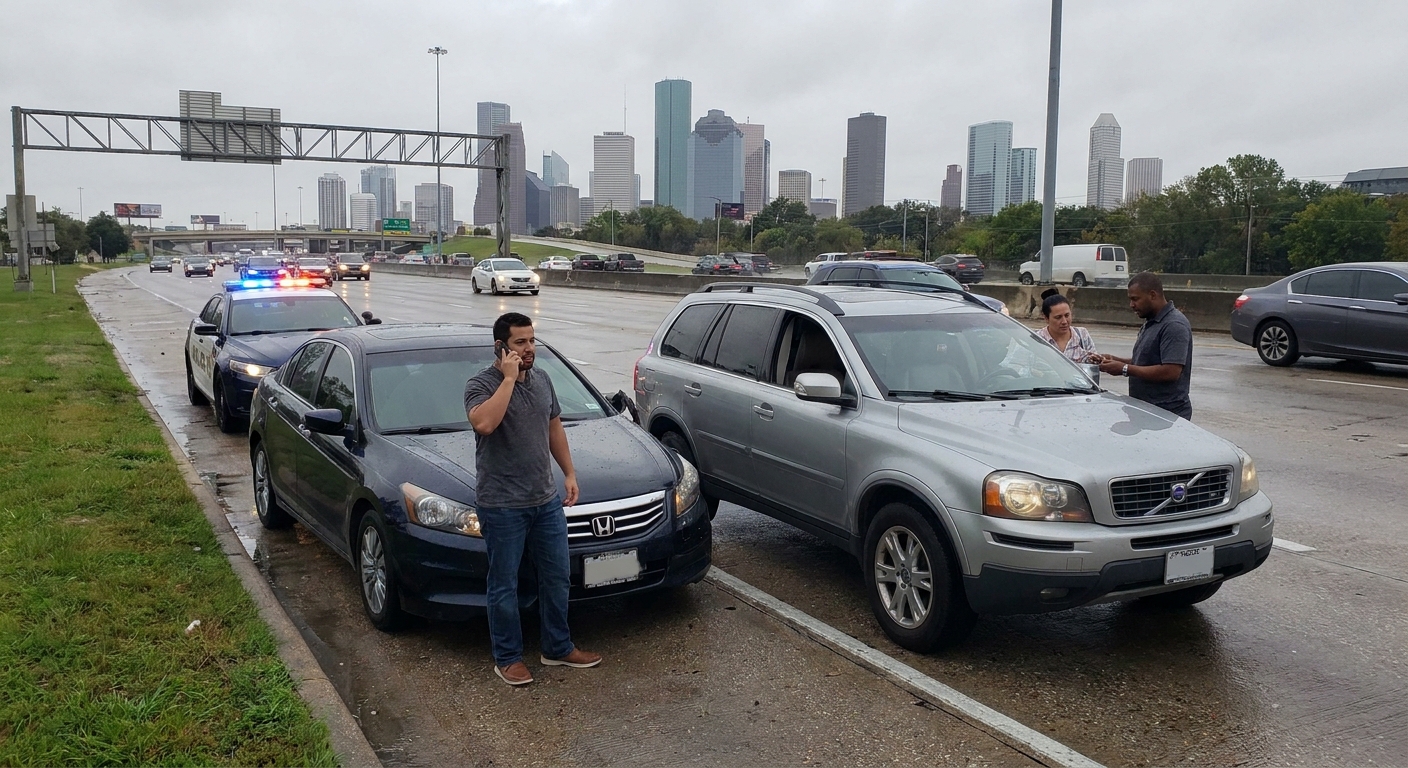
What matters now is what you do next. If you sit on your hands or start apologizing to insurance adjusters, you're making their job easier. They'll pin as much blame on you as possible, shrink your payout, and move on. Your job is to protect your side of the story before the narrative gets locked in.
How Texas Splits the Blame
Texas runs on modified comparative negligence. That's a fancy way of saying fault gets carved up by percentage. If you're less than 51% responsible, you can still recover damages. Cross that line and you walk away with nothing. But stay under it, and you're entitled to whatever's left after your share gets deducted.
Let's say total damages hit $20,000. You're found 40% at fault. You collect $12,000. The other 40% vanishes because of your contribution to the wreck. The system doesn't forgive your portion—it just doesn't punish you for the other driver's mistakes either. That's the trade.
What Determines Your Share
Fault doesn't get decided by whoever yells loudest. It gets decided by evidence. Police reports, witness statements, traffic camera footage, skid marks, damage patterns—all of it goes into the pile. Insurance adjusters and lawyers comb through the details, then assign percentages. If it goes to court, a jury does the same thing.
Expect the other side to inflate your responsibility. That's standard practice. They'll point to anything that makes you look careless—speed, distraction, failure to signal, whatever sticks. If you didn't document your version at the scene, you're already behind. Photos, names, statements—grab them while the memory's fresh and the scene's intact.
Filing When You Know You Weren't Perfect
You still file. Even if you think you screwed up, the claim process doesn't start with a confession. You report what happened, hand over what you've got, and let the investigation play out. Don't volunteer guilt. Don't downplay the other party's actions. Stick to facts and let the system do its job.
Your insurer needs to know. So does theirs. Both sides will investigate. Both might assign fault differently. That's normal. What's not normal—and what costs people money—is skipping the claim entirely because they're embarrassed or scared. Fault is a spectrum. Filing gives you a shot at landing somewhere that still pays out.
Why You Need Someone in Your Corner
Insurance companies aren't neutral. They have one goal and it's not fairness. It's saving money. When fault is shared, they'll push your percentage higher to shrink what they owe. They'll ask leading questions, request recorded statements, and twist your words into admissions you never intended.
A lawyer flips that dynamic. They know the tricks. They know what evidence matters and what's noise. They know how to frame your case so fault gets allocated accurately—not generously to the insurer's bottom line. And if the case goes to trial, they're the ones who know how to present it so a jury sees the full picture. Our experienced personal injury attorneys understand how to protect your rights when fault is disputed.
Where Shared Fault Shows Up Most
- Car wrecks where both drivers made errors—one ran a light, the other was speeding
- Slip and fall cases where the victim was distracted but the property owner ignored a hazard
- Rear-end collisions where the lead driver braked suddenly without warning
- Pedestrian accidents where the walker crossed against the signal but the driver was texting
- Workplace injuries where safety protocols were ignored by both the employee and employer
What to Do Right After the Incident
- Get checked by a doctor even if you feel fine—some injuries hide at first
- Call the cops and make sure a report gets filed, no matter how minor it seems
- Take photos of everything—vehicles, injuries, road conditions, signage
- Collect contact info from anyone who saw what happened
- Report the accident to your insurance but keep statements brief and factual
The Evidence That Actually Moves the Needle
You'll need more than your memory to fight back against inflated fault claims. Start with the police report—it's often the first document adjusters and lawyers read. If it's inaccurate, challenge it early. Add witness statements that back your version. Pull traffic camera footage if it exists. Show medical records that link your injuries to the crash, not some pre-existing condition.
Every piece of documentation narrows the gap between what happened and what the other side wants to say happened. Missing a key element—like photos of the intersection or proof you weren't on your phone—gives the insurer room to paint you as the problem. Close those gaps fast.
When Liability Gets Messy
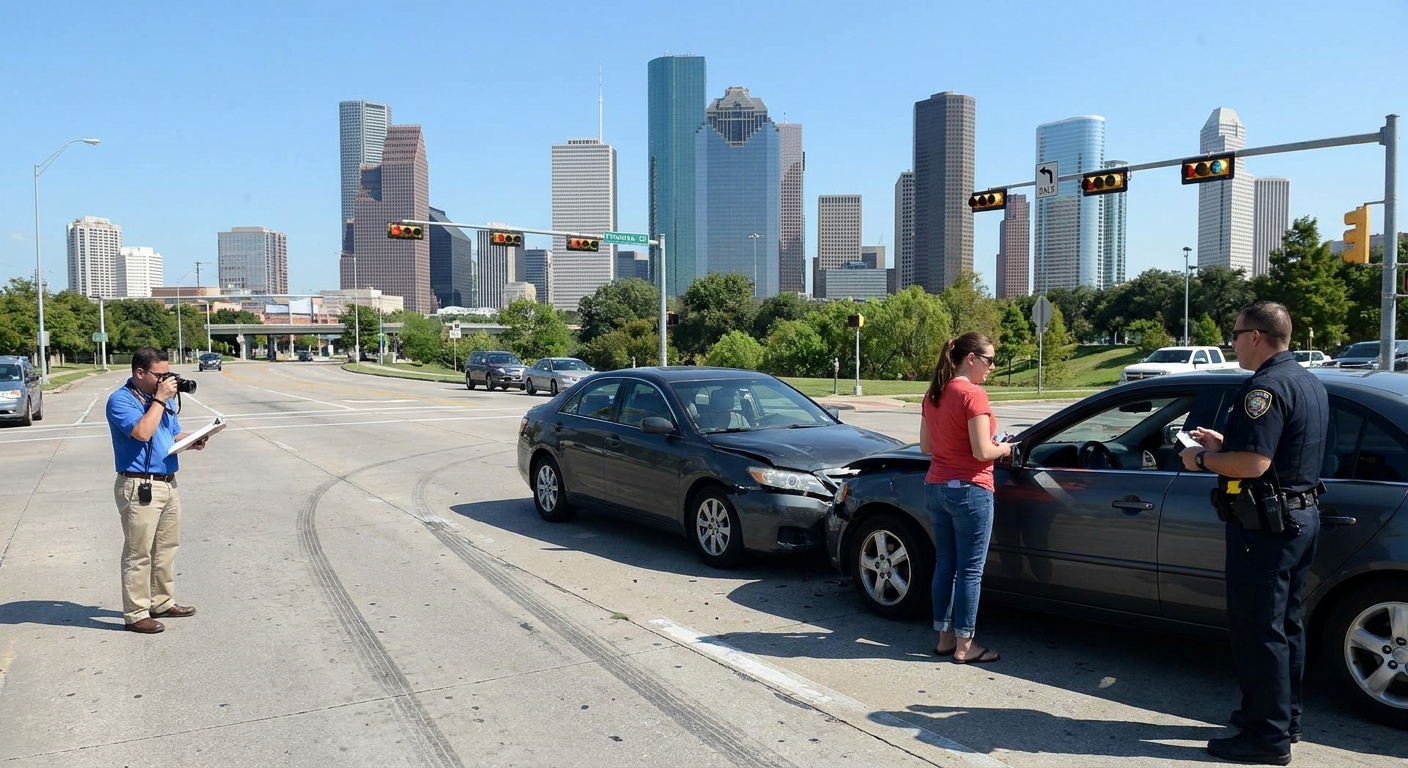
- Multiple vehicles involved and everyone's pointing fingers
- No clear traffic violation but judgment calls on both sides
- Conflicting witness statements that don't line up
- Dash cam or surveillance footage that shows partial fault for each party
- Weather or road conditions that contributed but don't excuse driver error
What Happens If You Hit That 51% Mark
You lose. Texas bars recovery if you're mostly at fault. That's the line. If the jury or adjuster decides you're 51% responsible, you collect zero—even if your damages run into six figures. The other party can still come after you for their losses, but you're locked out of compensation for yours.
This is why the fight over percentages matters so much. One or two points can swing the outcome from a payout to a shutout. Insurers know this. They'll push your fault up to 50% or higher if they think they can get away it. Understanding your rights in bad faith insurance claims becomes critical when insurers manipulate fault percentages. Don't let them.
Mistakes That Shrink Your Recovery
- Apologizing at the scene or admitting you weren't paying attention
- Waiting too long to see a doctor, which makes injuries look less serious
- Posting on social media about the accident or your activities afterward
- Accepting a quick settlement before you know the full extent of your damages
- Talking to the other party's insurer without legal guidance
What Compensation Looks Like When Fault Is Shared
Your total damages get calculated first. Medical bills, lost income, property damage, pain and suffering—everything goes into the pot. Then your percentage of fault gets deducted. If you're 30% at fault and damages total $50,000, you walk with $35,000. The insurer doesn't round in your favor. They don't give credit for good intentions. They run the math and cut the check accordingly.
That's why maximizing your damages matters just as much as minimizing your fault. If you underreport your injuries or skip follow-up care, you're leaving money on the table even before the deduction happens. Build the strongest case you can on both sides of the equation. Whether you were injured in an automobile accident, a pedestrian accident, or an 18-wheeler commercial truck accident, documenting every aspect of your damages is essential to fair compensation.
The Clock Is Ticking
Texas gives you two years from the date of injury to file a personal injury lawsuit. Miss that deadline and your claim dies, no matter how strong it is. Shared fault doesn't buy you extra time. Neither does confusion about who to sue or how much you're owed. The clock starts the day the accident happens and it doesn't stop for negotiations or medical treatment.
Start early. Gather evidence, consult a lawyer, and get the process moving before memories fade and witnesses disappear. Waiting until month 23 to panic is a recipe for rushed mistakes and lost leverage.
Protect Your Claim Before It Gets Weaker
Fault isn't fixed the moment the accident happens. It gets argued, adjusted, and assigned over weeks or months. The side with better evidence and sharper representation usually comes out ahead. If you're sitting on the sidelines hoping fairness will prevail, you're gambling with money you might never see again. Take control. Document everything. Speak carefully. And get someone in your corner who knows how to fight percentage battles without flinching.
Let’s Take the Next Step Together
Dealing with shared fault after an accident can feel overwhelming, but you don’t have to navigate it alone. We’re here to help you protect your rights and fight for the compensation you deserve, no matter how complicated the situation may seem. If you have questions or need guidance, call us at 832-519-0054. When you’re ready to move forward, schedule an appointment and let’s get started on your case together.

.png)