


Most people treat Instagram like a diary and Facebook like a megaphone. Post what you want, when you want. But if you're in the middle of a personal injury claim, that casual upload might be evidence tomorrow. Defense attorneys aren't scrolling for fun—they're building a case against you. And insurance companies? They're not waiting for depositions. They're already pulling screenshots.
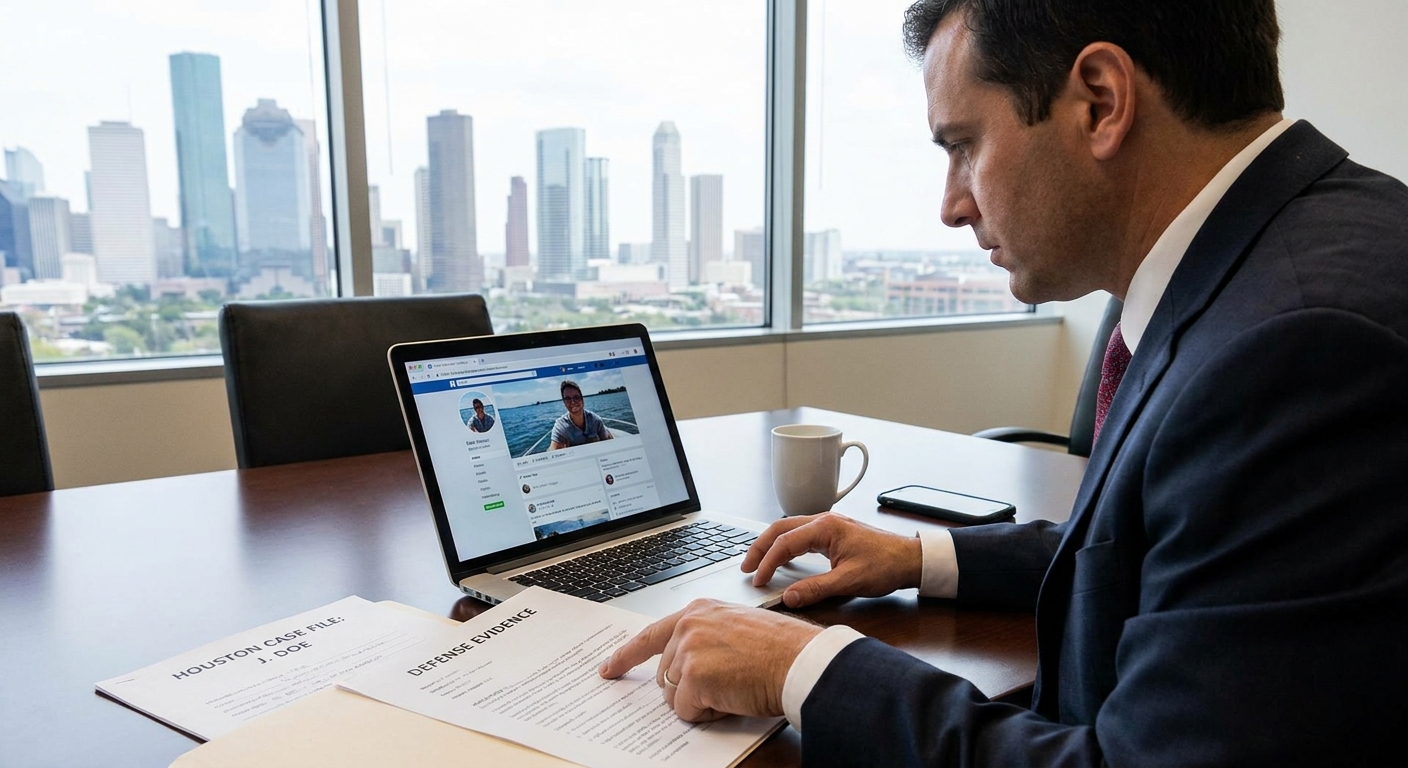
So here's the reality. If you're fighting for compensation after an accident, every post leaves a mark. Every check-in. Every tagged photo. And every comment thread can be weaponized to discredit your injuries or paint you as someone who's milking the system. Your feed isn't private just because you think it is. And the courtroom doesn't care about context.
Your Posts Become Their Ammunition
When you file an injury claim in Houston, the other side starts digging. They're not just reviewing medical records or witness statements—they're combing through your social presence. One post showing you at a concert or lifting weights at the gym, and suddenly your credibility takes a hit. It doesn't matter if that photo was from six months before the accident. If it surfaces during litigation, it's fair game.
Defense teams know how to twist narratives. A caption meant as a joke can be reframed as proof you're exaggerating pain. A vacation snapshot can suggest you're more mobile than you claim. And private messages? Those aren't as locked down as you'd hope. Courts in Texas have repeatedly ordered plaintiffs to hand over access to accounts when the content is deemed relevant.
- A single image contradicting your testimony can derail settlement talks
- Geotags and check-ins reveal activities you said you couldn't perform
- Comments you make—even sarcastic ones—get read literally in depositions
- Videos show movement, energy levels, and physical capability in real time
- Friend tags pull you into posts you didn't even create yourself
Texas Courts Don't Play Around With Digital Evidence
Houston judges aren't squeamish about admitting social media into evidence. If your profile is public, there's virtually no expectation of privacy. Even locked accounts can be pried open through discovery motions. Opposing counsel just needs to show that what you posted could be relevant to your injuries, your limitations, or your state of mind.
We've seen cases in Texas where plaintiffs lost significant compensation—or had claims tossed entirely—because of posts that undercut their narrative. One moment of oversharing can undo months of medical documentation and testimony. And the defense doesn't need a smoking gun. They just need enough doubt to make a jury second-guess you.
What You Should Actually Be Doing
If you're deep in a claim, the smartest move is to go dark. Not forever—just until the case wraps. That means no selfies at brunch, no status updates about your day, and definitely no gym progress videos. The less you give them to work with, the less ammunition they have to challenge your story.
Locking down your privacy settings is a start, but it's not a bulletproof shield. Courts can still force you to produce posts if they're deemed material to the case. And deleting old content? That's even riskier. Destroying potential evidence—even if you didn't think it mattered—can blow back hard. Judges don't take kindly to spoliation, and juries won't either.
- Pause all posting until your attorney gives the all-clear
- Set accounts to private, but don't assume that means untouchable
- Never delete anything once litigation is underway
- Tell friends and family not to tag you or post about you
- Run every online move past your lawyer before you click "share"
The People Around You Matter Too
You might be disciplined enough to stay offline, but what about your cousin who loves tagging everyone at family gatherings? Or your workout buddy who posts every gym session? Even if you're not the one uploading, getting pulled into someone else's content can still hurt you. A tagged photo of you smiling at a barbecue might seem harmless—until it's used to argue you're not suffering like you claim.
Have the awkward conversation. Let the people in your circle know what's at stake. Ask them to keep you out of their posts. It's not paranoia—it's protection. One thoughtless tag can create a problem that takes weeks of legal maneuvering to fix, if it can be fixed at all.
- Request that friends avoid tagging you in any posts or photos
- Monitor your tagged content regularly and untag yourself when necessary
- Explain to family that your case depends on controlling your digital footprint
- Check privacy settings on who can post to your timeline or tag you
- Don't assume people will remember—remind them as the case progresses
When Silence Speaks Louder Than Proof
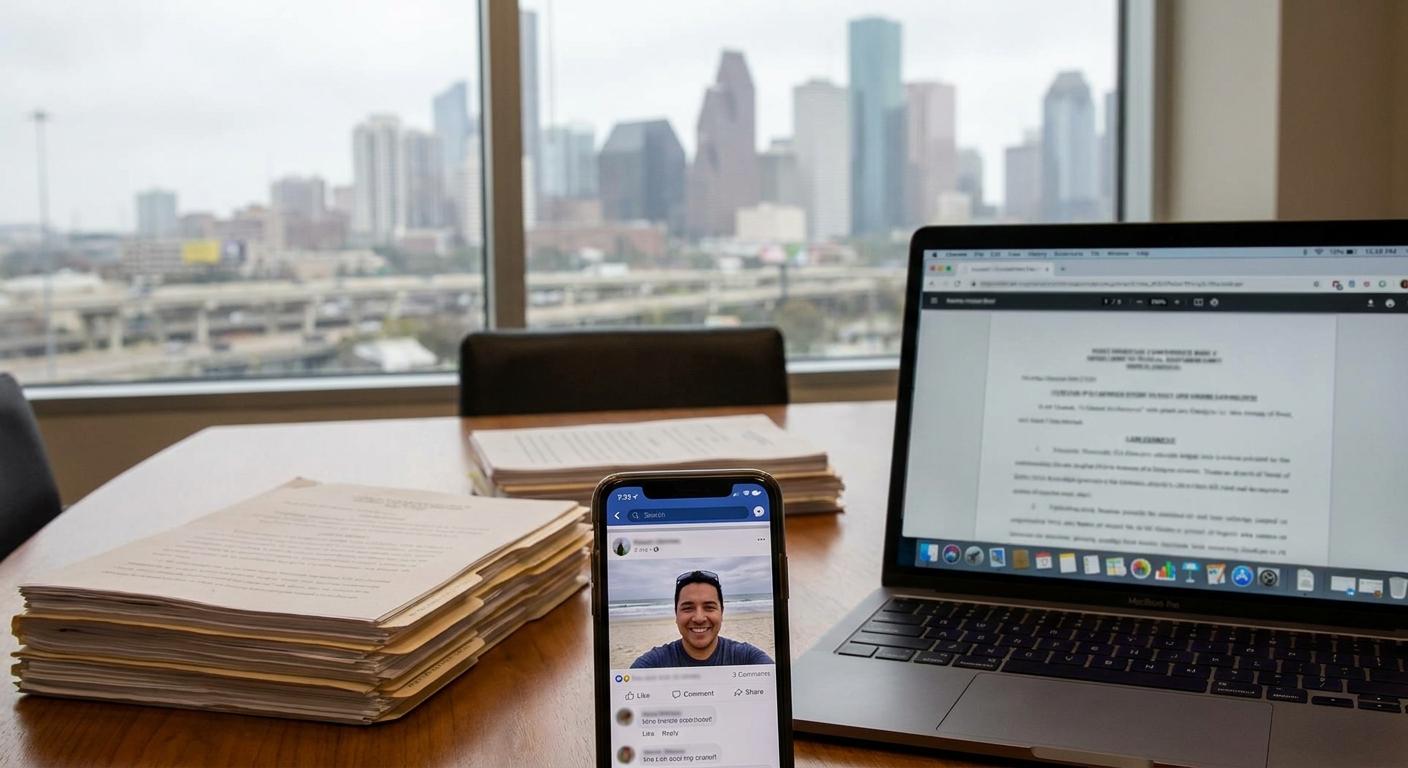
We've watched clients lose leverage in settlement negotiations because they couldn't resist sharing a hiking photo or posting about a night out. The insurance adjuster sees it. The defense lawyer screenshots it. And suddenly, a case that was trending toward a solid payout turns into a battle over whether you're even injured at all.
It's not about living in fear or hiding from the world. It's about recognizing that while your case is active, your online behavior is under a microscope. Every post is potential evidence. Every story disappears in 24 hours—but screenshots don't. The temporary high of engagement isn't worth the permanent damage to your claim.
- Even "friends-only" posts can be subpoenaed and presented in court
- Insurance companies employ investigators who monitor social accounts daily
- A single contradiction between your testimony and your timeline can sink credibility
- Casual comments about feeling "great" can be used to dispute injury severity
- Metadata from photos can reveal when and where they were taken, adding context you didn't intend
Your Attorney Needs to Know Everything
If you've already posted something questionable, don't try to bury it. Bring it up with your lawyer now. They can't defend what they don't know about. Maybe that post can be explained. Maybe it's not as damaging as you think. Or maybe it requires a shift in strategy—but only if your attorney is looped in before the other side finds it.
Good lawyers will walk you through what's safe and what's risky. They'll tell you when to stay offline entirely and when you can cautiously re-engage. But they can only do that if you're honest about your digital habits and willing to follow their guidance. This isn't about censorship—it's about preserving the strength of your case.
One Click Can Cost You Thousands
Social media feels casual. It's designed that way. But in the context of automobile accident litigation or premise liability claims, it's anything but. What you share, where you check in, who you interact with—all of it can be pulled into the fight. And once it's out there, it's nearly impossible to walk back.
We help clients in Houston understand that their workplace injury case or bad faith insurance claim doesn't pause when they log into their favorite app. The other side is watching. The stakes are real. And the difference between a fair settlement and a diminished payout can come down to a single post you thought didn't matter. So if you're serious about recovering what you're owed, treat your online presence like evidence—because that's exactly what it is.
Let’s Protect Your Case Together
We know how overwhelming it can feel to manage your social media while dealing with an injury claim. Let’s work as a team to safeguard your rights and keep your case on track. If you have questions or need guidance, call us at 832-519-0054. When you’re ready to take the next step, schedule an appointment and let’s move forward together.

.png)