


Industrial plants in Houston don't just power the economy—they also carry serious risk. Refineries, chemical facilities, manufacturing hubs, and warehouses operate under constant pressure, and when something goes wrong, people get hurt. Sometimes badly. The question isn't whether accidents happen. It's who pays when they do.
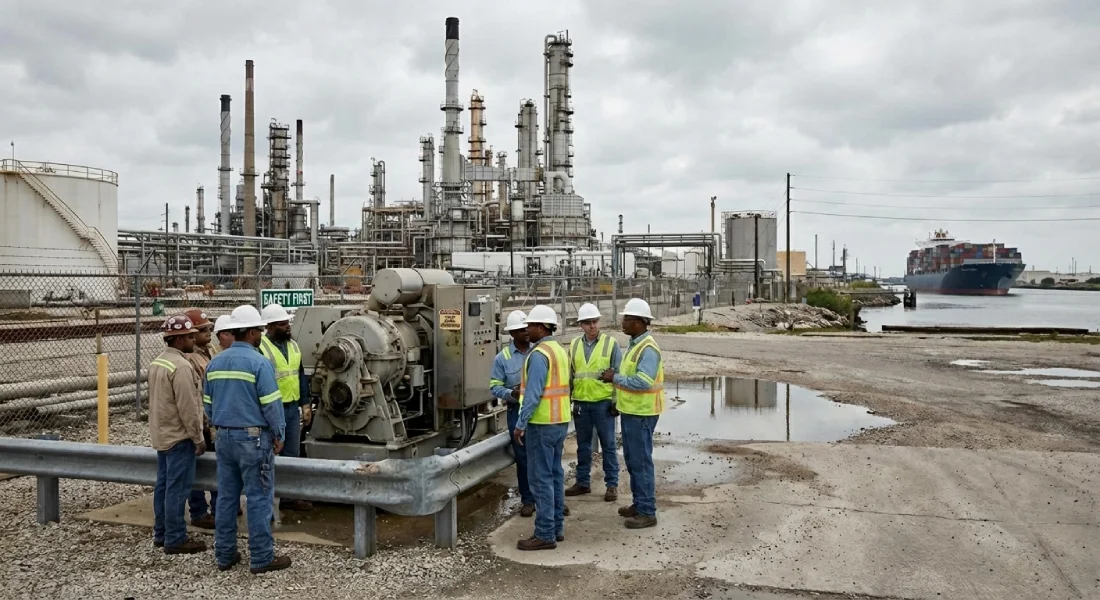
Liability in these cases isn't clean. There's no single party holding the bag every time. Responsibility shifts depending on who owned the equipment, who hired the crew, who skipped the safety check, and who signed the contract. If you're trying to figure out who's accountable after an industrial plant accident, you're looking at a web—not a straight line.
Multiple Players, Multiple Exposures
Industrial sites don't run on one company's dime. They're layered operations with owners, operators, contractors, subcontractors, and equipment suppliers all playing a role. That means when someone gets injured, the blame rarely lands in one place. It spreads across whoever had control, whoever made the call, and whoever failed to act.
The law doesn't care about convenience. It cares about negligence, duty, and breach. And in Houston's industrial corridor, those factors can point in several directions at once.
Employers Carry the First Line of Duty
Most of the time, the employer is on the hook. OSHA mandates that workplaces stay free of recognized hazards. That means proper training, functioning safety gear, and protocols that actually get followed. When employers cut corners or ignore red flags, they open themselves up to liability.
Texas runs on a workers' compensation system that covers most injuries without requiring proof of fault. But that system also blocks employees from suing their employers directly—unless the employer doesn't carry coverage. In those cases, the door swings wide open for a personal injury claim with real damages on the table.
Contractors Complicate the Picture
Contractors and subcontractors flood industrial sites, handling everything from welding to equipment installs. If a contractor's employee gets hurt because another contractor or the plant owner screwed up, that's a third-party claim. These cases get messy fast, especially when multiple companies are involved and everyone's pointing fingers.
Third-party liability claims don't fall under workers' comp. They're full-blown lawsuits, and they can pull in damages that comp benefits don't touch—pain and suffering, lost future earnings, and punitive awards if the negligence was bad enough.
Defective Gear Opens Another Door
Faulty equipment causes a shocking number of industrial injuries. When a machine malfunctions, a safety device fails, or a tool breaks in a way it shouldn't, the manufacturer or supplier can be held responsible. Product liability law doesn't require proof that the company knew about the defect—just that the defect existed and caused harm.
These claims hinge on three potential failures:
- Design defects that make the product inherently dangerous
- Manufacturing defects that occur during production
- Failure to warn users about known risks or proper usage
If any of those apply, the injured party has a case. And unlike workers' comp, product liability claims can result in significant financial recovery.
Regulatory Agencies Watch But Rarely Pay
OSHA and the Texas Commission on Environmental Quality set the rules, but they don't usually end up as defendants. Their job is enforcement, not compensation. Still, their investigations matter. When OSHA finds violations or issues citations, those findings become powerful evidence in civil cases.
If an agency ignored repeated complaints or failed to act on known hazards, that can influence public perception and settlement negotiations. But direct liability? That's rare. The real defendants are the companies that violated the standards, not the regulators who missed them.
Fault Gets Split When Blame Gets Shared
Texas uses a modified comparative fault rule. If the injured worker contributed to their own injury, their compensation gets reduced by their percentage of fault. But if they're found more than 50% responsible, they walk away with nothing.
This rule matters in industrial cases because workers are often accused of ignoring safety protocols, bypassing guards, or failing to use PPE. Defendants will dig for any evidence that shifts blame. That's why documentation and witness testimony are critical from day one.
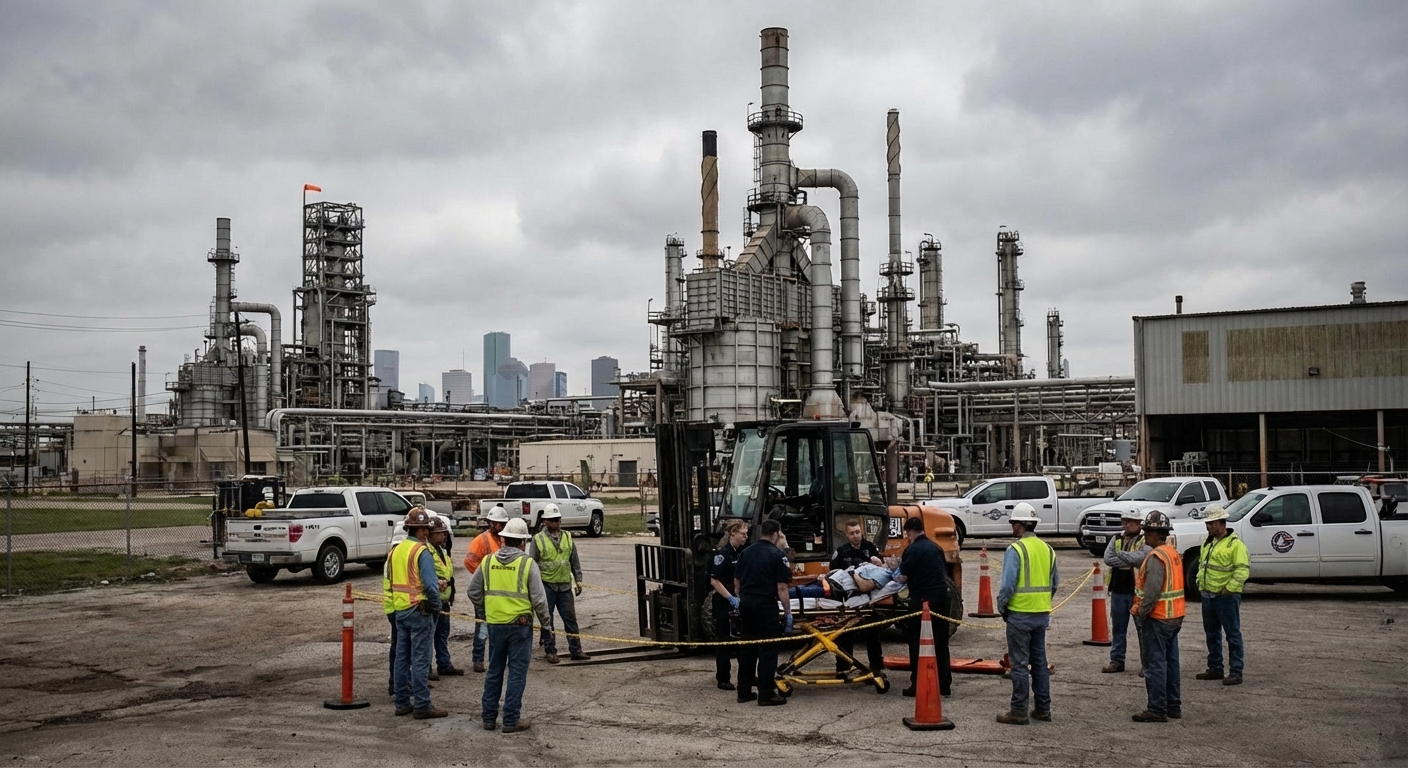
What Injured Workers Need to Do Right Away
The first hours after an industrial injury set the tone for everything that follows. Waiting too long or missing steps can kill a claim before it starts.
Here's what needs to happen:
- Report the injury immediately to a supervisor or site manager
- Get medical treatment and keep every record, receipt, and report
- Take photos of the scene, the equipment, and any visible injuries
- Collect names and contact info for anyone who saw what happened
- Don't sign anything or give a recorded statement without legal advice
Employers and insurers move fast to protect their interests. Injured workers need to move just as fast to protect theirs.
Why Legal Help Isn't Optional
Industrial injury cases aren't simple. They involve OSHA regulations, workers' comp statutes, product liability standards, and often multiple defendants with deep pockets and experienced legal teams. Trying to navigate that alone is a losing strategy.
An attorney who knows industrial accidents can:
- Identify every party with potential liability
- Gather evidence before it disappears or gets destroyed
- Handle communications with insurers and defense lawyers
- Calculate the full value of the claim, including future losses
- Fight comparative fault arguments that try to shift blame
The goal isn't just to file a claim. It's to build a case strong enough to win at trial or force a settlement that actually covers the damage. Workplace injury cases demand experienced legal representation to navigate the complex web of liability and maximize recovery for injured workers.
Accountability Doesn't Happen by Accident
Industrial plants operate on tight margins and high stakes. Safety costs money, and when companies prioritize profit over protection, workers pay the price. Holding the right parties accountable isn't just about one case—it's about forcing change that prevents the next injury.
Responsibility in these cases is never automatic. It has to be proven, documented, and fought for. But when the evidence is there and the legal strategy is sound, the companies that caused the harm don't get to walk away clean. They answer for it—in court, in settlements, and in the safety improvements they're forced to make. If you've been injured at an industrial plant, contact us to discuss your case with experienced attorneys who understand the complexities of industrial accident claims.
Let’s Take the Next Step Together
When you’re facing the aftermath of an industrial plant injury, you shouldn’t have to navigate the maze of liability and insurance alone. We’re here to help you sort through the details, protect your rights, and fight for the compensation you deserve. If you’re ready to talk, call us at 832-519-0054 or schedule an appointment so we can get started on your case together.

.png)