


Most people think settlements are just about who hit who. But the insurance companies see more than that — and if you don't, you're leaving money on the table. Accidents may look straightforward on paper, but they leave a trail of variables that can swing your payout by tens of thousands. Especially if you're dealing with serious injuries or disputed liability.
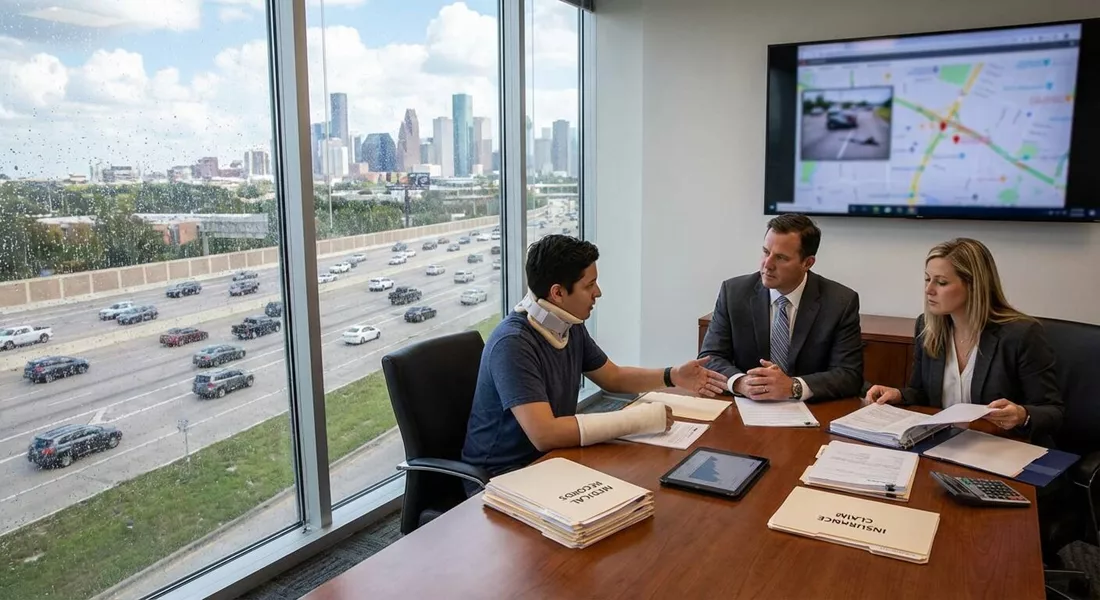
So here's the reality. If you're pursuing compensation after a wreck, that's your right. Just don't assume the first offer is fair. Every injury should have documentation. Every expense needs backup. And every settlement decision should be grounded in what actually happened — not just what the adjuster wants to pay.
How Bad You Got Hurt Matters Most
The worse your injuries, the higher your settlement. That's not opinion — it's how the system works. A sprained wrist doesn't carry the same weight as a shattered pelvis or a traumatic brain injury. The ICD codes, the treatment plan, the prognosis — all of it feeds into what your case is worth.
If your injuries require surgery, long-term rehab, or leave you with permanent limitations, the numbers climb fast. Insurance companies know this. They'll look at your medical records, your discharge summaries, and your follow-up appointments to gauge severity. If you downplay your injuries or skip treatment, they'll use that against you.
Medical Bills Stack Up Fast
Emergency room visits aren't cheap. Neither are MRIs, physical therapy sessions, or prescription pain meds. In Houston, where healthcare costs run high, a single hospital stay can hit five figures before you even leave the building.
Your settlement should cover every dime you spent — and every dime you'll spend. That includes:
- Ambulance transport and ER treatment
- Diagnostic imaging and lab work
- Surgeries and anesthesia
- Inpatient and outpatient care
- Medications and medical devices
- Future procedures or ongoing therapy
If you don't track it, you can't claim it. Keep every receipt, every EOB, every billing statement. The more you document, the harder it is for the insurer to lowball you.
Missing Work Costs More Than You Think
Can't clock in because you're stuck in bed or at a doctor's office? That's lost income. And it's not just about the paychecks you missed last month. If your injuries keep you out long-term or force you into a lower-paying role, that's diminished earning capacity.
We've seen cases where someone went from a $70K-a-year job to part-time work because they couldn't stand for long shifts anymore. That gap adds up over years, sometimes decades. Your settlement should account for that — not just what you lost, but what you'll never earn again. Workplace injuries can have similar long-term financial impacts when they affect your ability to perform your job duties.
Your Car Isn't the Only Thing That Got Damaged
Property damage is usually the easiest part of a claim to calculate. The body shop gives an estimate, the insurer cuts a check, and you move on. But sometimes the insurer disputes the value of your vehicle or tries to total it out when it's repairable.
If your car was worth $15K and they're offering $10K, that's a problem. If you had custom equipment, tools, or personal items inside that got destroyed, those count too. Don't let them shortchange you on the easy stuff just because the injury claim is more complicated.
Who's at Fault Can Slash Your Payout
Texas uses modified comparative negligence. That means if you're partly to blame, your settlement gets reduced by your percentage of fault. If you're more than 50% responsible, you get nothing.
Here's how that plays out in real numbers:
- You're 10% at fault, damages are $100K — you get $90K
- You're 30% at fault, damages are $100K — you get $70K
- You're 51% at fault, damages are $100K — you get zero
Insurance adjusters will dig for any reason to pin blame on you. They'll pull traffic cam footage, interview witnesses, and comb through your statements looking for inconsistencies. One offhand comment about checking your phone or changing the radio can cost you thousands.
Policy Limits Can Cap What You Collect
Even if your case is worth $200K, you can't squeeze blood from a stone. If the at-fault driver only carries $30K in bodily injury coverage, that's all you're getting from their policy — unless you have underinsured motorist coverage or can go after their personal assets.
Texas minimums are low. Really low. And plenty of drivers on Houston roads are carrying exactly that — or worse, nothing at all. If you're hit by someone with bare-bones coverage and your injuries are serious, you'll need to explore other avenues. That might mean tapping your own UM/UIM policy or filing a lawsuit to reach deeper pockets. Bad faith insurance claims can arise when insurers refuse to honor valid coverage or act unreasonably during the claims process.
Evidence Either Builds Your Case or Breaks It
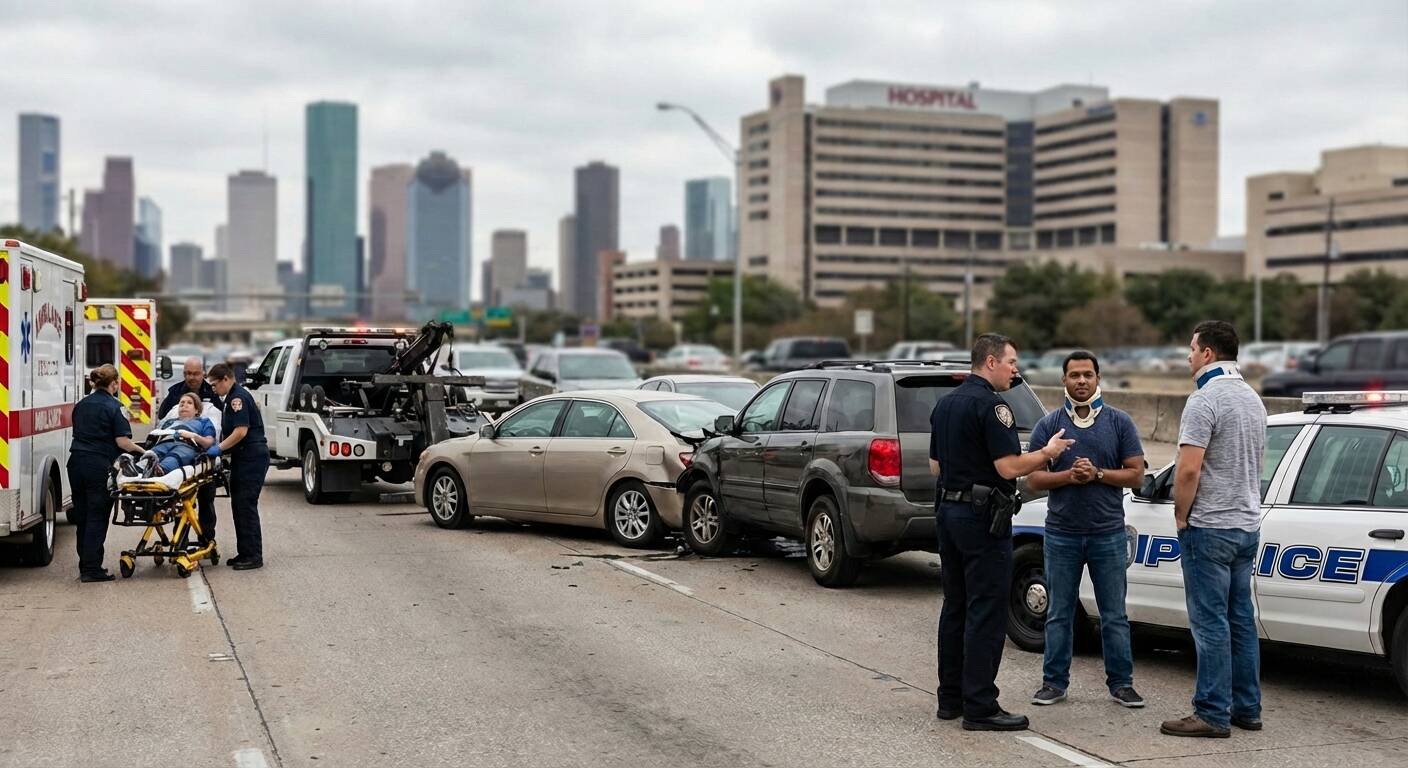
You can't win a settlement on your word alone. You need proof. Police reports, medical records, witness statements, photos of the scene, dashcam footage — all of it matters. The stronger your evidence, the less room the insurer has to argue.
Here's what you should be collecting from day one:
- Photos of vehicle damage and the accident scene
- Contact info for witnesses
- The official police report
- All medical records and billing statements
- Repair estimates and invoices
- Any video footage from nearby cameras or dashcams
If you wait too long, evidence disappears. Witnesses forget details. Surveillance footage gets overwritten. The sooner you lock it down, the better your position.
Lawyers Know How to Push Back
Insurance companies have teams of adjusters and attorneys working to minimize payouts. You're up against professionals who do this every day. Going it alone is like showing up to a gunfight with a butter knife.
An experienced attorney knows the tactics insurers use. They know how to calculate damages accurately, how to negotiate from a position of strength, and when to take a case to trial if the offer isn't fair. They also handle the paperwork, the deadlines, and the back-and-forth so you can focus on recovering. Our attorneys have extensive experience handling complex accident claims and fighting for maximum compensation.
Pain and Suffering Isn't Just a Buzzword
Economic damages are easy to quantify. Medical bills, lost wages, property damage — those have receipts. But what about the chronic pain that keeps you up at night? The anxiety you feel every time you get behind the wheel? The hobbies you can't do anymore because your back won't let you?
That's where non-economic damages come in. Pain and suffering, emotional distress, loss of enjoyment of life — these are real, compensable losses. They're harder to calculate, but they're often a significant chunk of a settlement. Insurers will try to minimize them. Don't let them.
Timing Can Make or Break Your Leverage
The statute of limitations in Texas gives you two years from the date of the accident to file a lawsuit. Miss that deadline, and your case is dead. But waiting too long can hurt you even before the clock runs out.
The longer you wait to file a claim, the more time the insurer has to build a defense. Memories fade. Evidence gets lost. Medical records get harder to obtain. If you're serious about getting compensated, don't sit on it. Start the process while everything's still fresh.
Negotiation Isn't About Being Nice
Insurance adjusters aren't your friends. They're trained to pay as little as possible. They'll act sympathetic, they'll sound reasonable, but their job is to protect the company's bottom line — not to make you whole.
That's why you need to know your case inside and out. Know what your damages are worth. Know what the policy limits are. Know when to push back and when to walk away. And if you're not comfortable doing that yourself, bring in someone who is.
Settlements Aren't One-Size-Fits-All
No two accidents are identical. No two injuries are the same. And no two settlements should be either. What your neighbor got for their fender bender has nothing to do with what you're owed for a T-bone collision that left you with a herniated disc.
Your case is unique. Your damages are unique. And your settlement should reflect that. Don't let anyone tell you otherwise — especially not an insurance company trying to close your file on the cheap. Whether you've been involved in an automobile accident, a pedestrian accident, or a collision with an 18-wheeler commercial truck, each case requires careful evaluation of its specific circumstances.
Getting What You're Owed Takes Work
Pursuing a car accident settlement in Houston isn't about hoping for the best. It's about building a case, backing it up with evidence, and refusing to settle for less than what you're owed. The variables are real, the stakes are high, and the insurance companies are counting on you not knowing the game. We help people navigate these claims every day — with clarity, strategy, and zero tolerance for lowball offers. If you've been hit and you're not sure what your case is worth, it's time to find out.
Let’s Secure the Settlement You Deserve
We know how overwhelming it can feel after a car accident, but you don’t have to face the insurance companies alone. Let’s work together to make sure every detail is accounted for and you get the compensation you’re truly owed. If you’re ready to take the next step, call us at 832-519-0054 or schedule an appointment so we can start fighting for your recovery today.

.png)